

Second chances, second lives
The hidden value of transplants

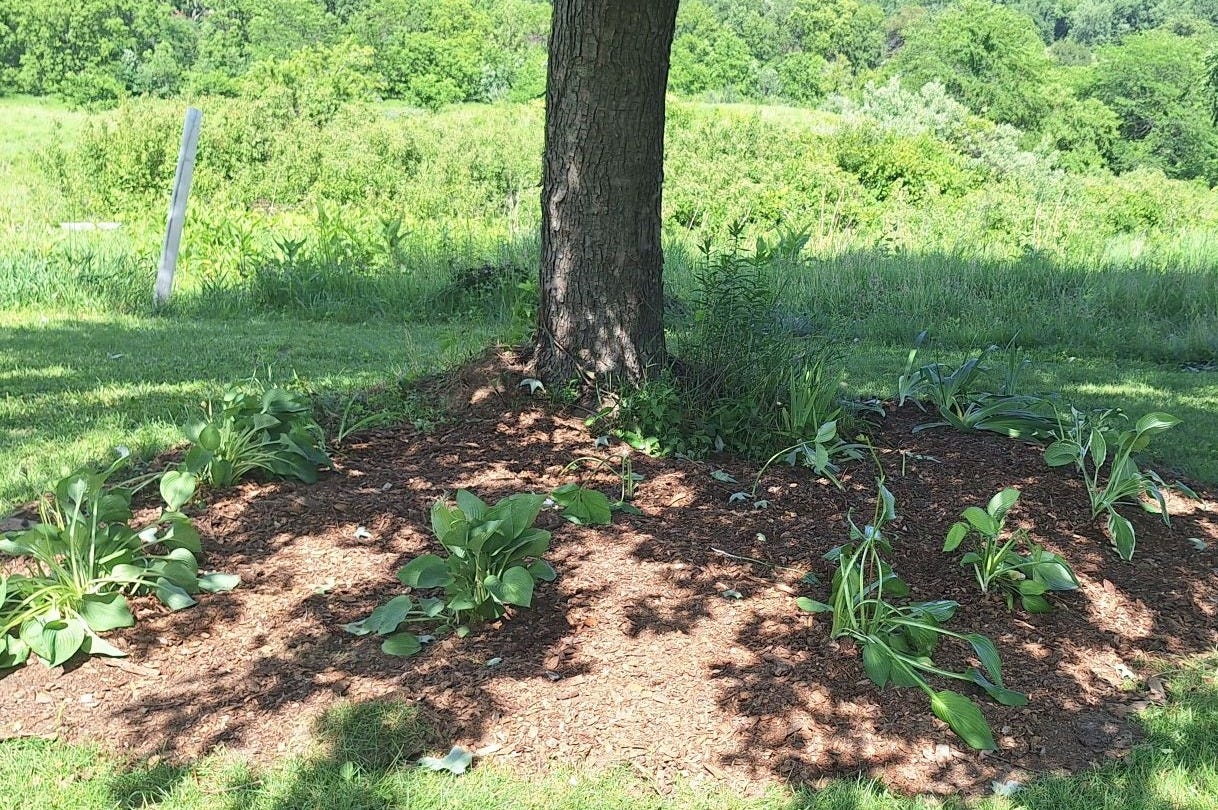
The hostas had been carefully tended by a master gardener for years. They had become like family. The flashy striated white and light green with slender leaves, the understated solid dark green, the impressive blue-gray with its large, broad leaves.
Over the years, they slowly filled in the empty spaces between them like sisters finishing each other’s sentences, comfortably settled under an ancient tree in the front yard of a simple, suburban home.
It’s what they do, hostas. They serve as lush ankle bracelets for trees across America. It helps that they are hardy and easy to divide, move and share. That mobility often gives them a second life, maybe a third.
These particular hostas were done for. Their crab apple tree had lost some limbs in the last storm and the owner was ready to take the leg.
The hostas had to go. Too much sun and and before long the leafy, green, luxurious hostas would start singeing at the edges, yellowing along the stems, curling up and dying.
A brief mention by the woman at a meeting and I offered to take them all. She warned me there were a lot, adding sadly that she’d compost them otherwise.
We arrived with shovels, WWOOFers Lance and Aidan, boxes and totes. As a favor to her, we dug out a few hydrangeas too. They had settled in well after 10 years, stubborn cousins not so willing to move. She gave us two of them. The hostas came out more easily, once we sliced a circle around them, disconnecting them from that world.
We packed and piled the plants into the back of the car. We jammed more in the back seat. Lance, a former weightlifter, squeezed into the back where a dark jungle of leaves blocked most of the windows.
What is thirty miles to a small plant? Maybe equivalent to half a continent for a human? We arrived at the farm and placed the boxes in shade we knew would slip off them by dawn.
The next day we pulled out the shovels, the hose, a foot-deep supply of flattened cardboard and the wagon we pull behind the Polaris we call Moby. This landscaping project would reduce the amount of fuel I use to maintain the yard around the house. And reducing our energy consumption is what we do here.
I also explained that this would look like some time-lapsed version of lasagna gardening because a year of work would be reduced to today.
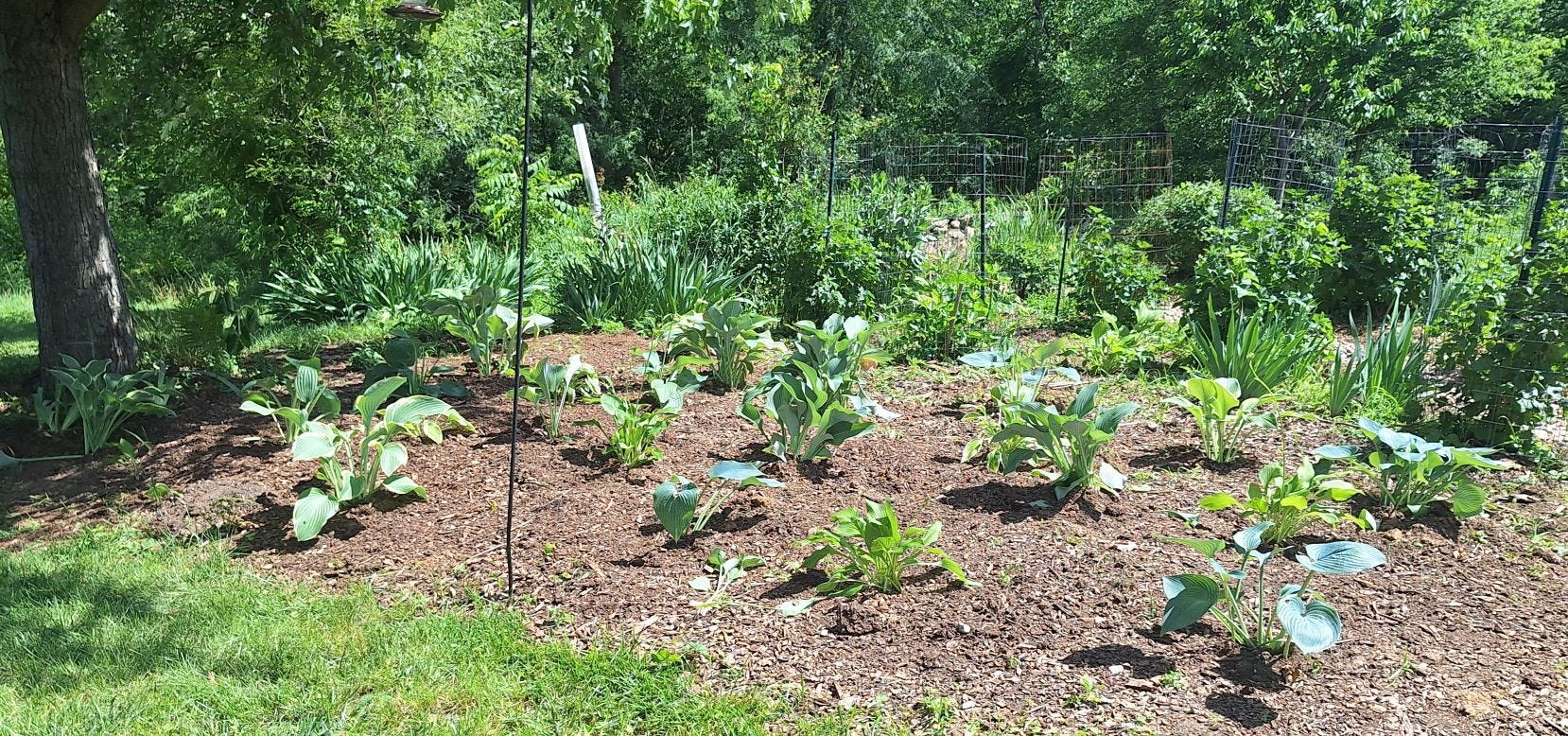
First, we’d plant into a bed that WWOOFers Dhante and Ben had helped make just 2 months ago, instead of waiting the year that the method calls for. Then we’d build a new bed nearby and plant into it immediately.
But they’d get the gist. No digging or plowing. Wet everything down, grass first then cardboard until entirely soaked. Dump as much soil as we could manage in a few wagon loads from the old manure pile at the bottom of the hill. That would sub in for the usual leaf and grass cuttings. Then cover that with a few inches with woodchips and plant into it.
The hostas would suffer some shock, but they can handle it. After all, they’re country hostas now. None of that coddling they got in the ‘burbs. They’ll survive or die in this makeshift garden bed. They’ll adapt or wither with little intervention.
This is their second chance. Not everyone gets one of those. They’ll have to work for it, and they’ll have to grow patiently into it.
I sit here on the screen porch, listening to the fountain in the frog pond, the neighbor a half mile away mowing his yard, the redstarts and sparrows flitting to the birdfeeders, some of the new hostas just a few yards away.
I know exactly how hard it is to break new ground, in a different climate, surrounded by nothing I recognize as home or family except the one man I love.
I can still feel it after 15 years back in Iowa. Like a hosta in the country, I’ll never quite belong, not the way oaks, Lynches, Regennitters or bull snakes do. If I start to burn, no one who once cared for me will save me from my fate. They are gone, dead or half a country away.
So, I keep stretching my roots. Farming, serving on boards, organizing, writing these Postcards. And recently I found some good, healthy soil in the people at Barn Raiser. I feel a joy in being myself with them that I haven’t felt in a long time. The same with our WWOOFers this year. Every single one has appreciated the work we do here, our company at meals and the bit of knowledge I impart, always with the caveat that I’m no expert and have fewer wits about me these days than ever.
These are my people, even though I’ve just met them. I can thrive in this climate, even though it’s still new.
A few years ago I left a space that was losing oxygen. There was no room left to move. The soil had become stale. The air quality worsened every day. After admiring my work for many years, those around me decided to shade me out, taking the sun for themselves.
They took over, like opportunistic, as I call them, gray dogwoods, or “invasive” Autumn Olives, as conservationists call them. Since then, they’ve occupied bare ground and lifeless soil, producing nothing, nourishing no one but themselves, not once fulfilling their greater mission or building the wider ecosystem.
Here, I’m in fertile ground. I’m grateful for this second life, maybe my third or fourth. I’ll never be more than a transplant, but we have a role on this planet too.
I hope the hostas feel the same someday. Their roots may not be deep, but they still offer beauty. They still have purpose. They still give joy.

Good and Welfare
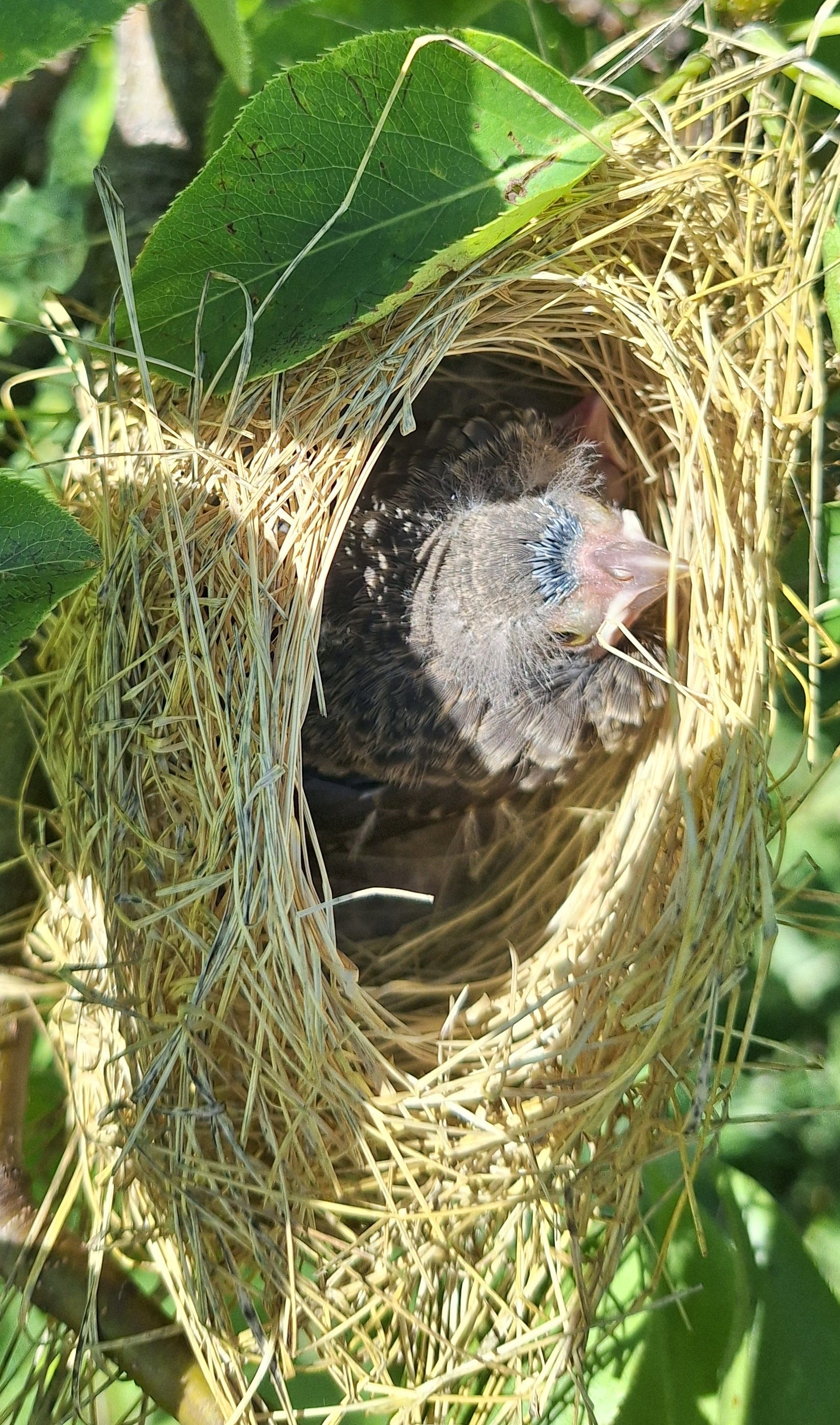
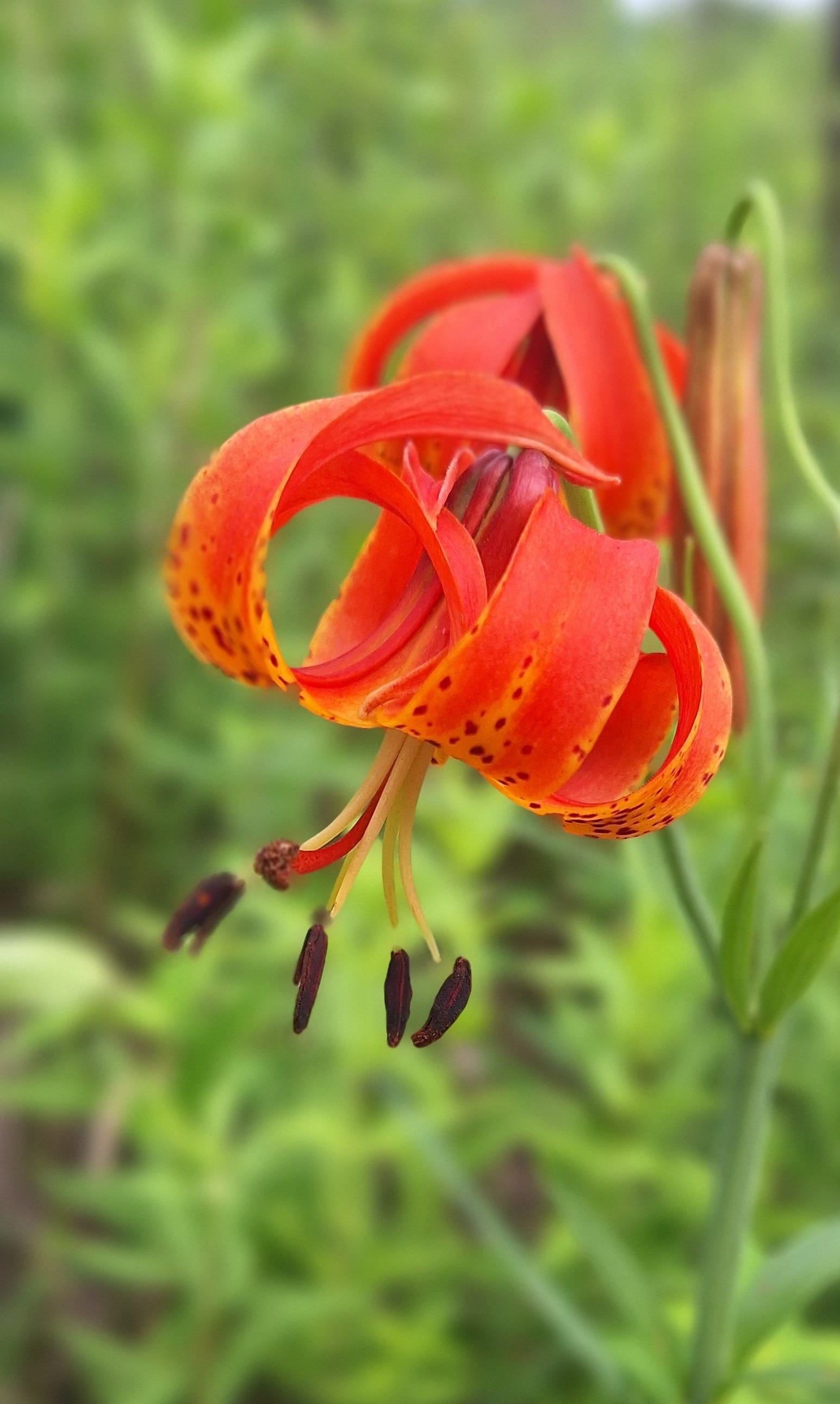
Something light this month to celebrate berry season going strong right now. This guy is a wonderful grower and teacher.

On the Horizon
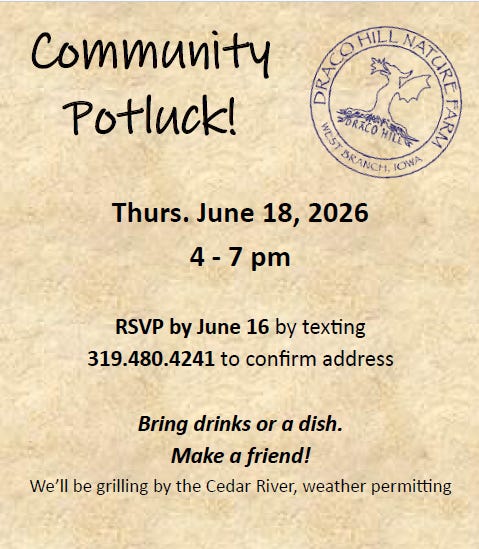
Draco Hill Community Potluck tomorrow 4-7 pm. Come by for supper after work or before the data center public hearing in Tipton. We’ll be down by the river grilling hot dogs!
Iowa City Freedom School happening this week at Dream City.
For Juneteenth - Underground Railroad bus tour, 3-5 pm starting at the Methodist Church, West Branch, Friday.
Iowa City Pride this weekend! Join or enjoy watching the parade. It’s a blast!
Looking for a playlist for July 4th parades? Try The Resistance.
Suzan Erem is an award-winning author, editor, publisher, community and union organizer. She now farms Asian pears, elderberries, Haskap and chestnuts in rural Cedar County IA where she and her husband are WWOOF and Hipcamp hosts. See the farm at dracohill.org. She is currently serving as Elections Editor for Barn Raiser Magazine.
Beautiful, Suzan. So glad you decided to "transplant" yourself here.
What a lovely way of easing into the morning listening to details of your latest rescue working with soil and toil. Very little of which had to do with the hostas at all, but everything to do with regenerating the marvels of life. Thanks, Suzan.